




How Does a Concrete Pipe Making Machine Work? Understanding the Manufacturing Process
Concrete pipes play an important role in modern infrastructure projects, including drainage systems, sewage networks, water transportation, and underground construction. Behind the production of these durable pipe products is an essential piece of equipment — the Concrete Pipe Making Machine.
A concrete pipe making machine helps manufacturers produce concrete pipes with consistent dimensions, strength, and quality through controlled molding, vibration, and curing processes. Compared with traditional manual production methods, modern machines improve efficiency and provide more stable production results.
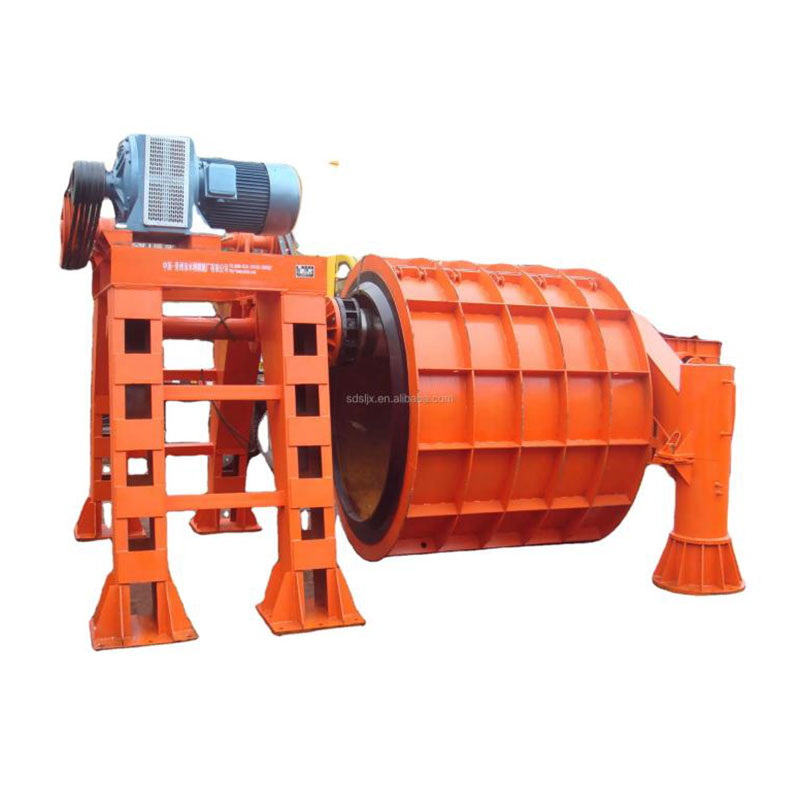
What Is a Concrete Pipe Making Machine?
A concrete pipe making machine is specialized equipment used to manufacture precast concrete pipes by shaping concrete mixtures into specific pipe designs.
These machines are commonly used to produce:
- Drainage pipes
- Sewer pipes
- Culvert pipes
- Water supply pipes
- Underground utility pipes
The machine uses molds, vibration systems, hydraulic systems, and other mechanical structures to transform concrete mixtures into finished pipe products.
How Does a Concrete Pipe Making Machine Work?
The working principle of a concrete pipe making machine is based on forming, compacting, and curing concrete inside a mold.
The basic production process is:
Raw materials preparation
↓
Concrete mixing
↓
Concrete feeding into mold
↓
Vibration and compaction
↓
Pipe forming
↓
Curing process
↓
Finished concrete pipe
Each stage plays an important role in determining the final pipe strength, surface quality, and dimensional accuracy.
Main Components of a Concrete Pipe Making Machine
A modern concrete pipe making machine consists of several key systems that work together during production.
1. Mold System
The mold determines the shape, diameter, and size of the concrete pipe.
Different molds allow manufacturers to produce pipes with different specifications for various construction requirements.
2. Feeding System
The feeding system delivers the concrete mixture into the mold evenly.
Proper material distribution helps improve pipe density and reduce defects.
3. Vibration System
The vibration system removes air gaps inside the concrete mixture and improves compactness.
Effective vibration helps produce pipes with:
- Higher density
- Better strength
- Smoother surfaces
4. Hydraulic System
Hydraulic components provide controlled movement during molding and demolding processes.
They help improve production efficiency and operating stability.
5. Control System
Modern machines often use automated control systems to manage production parameters such as vibration time, forming speed, and operating cycles.
Concrete Pipe Manufacturing Process Explained
Step 1: Raw Material Preparation
The production process begins with preparing raw materials, including:
- Cement
- Sand
- Aggregates
- Water
- Additives when required
The quality and ratio of materials directly influence the strength of the finished concrete pipe.
Step 2: Concrete Mixing
The raw materials are mixed evenly to create a consistent concrete mixture.
Proper mixing ensures that the concrete has suitable workability for forming.
Step 3: Mold Filling
The concrete mixture is transferred into the pipe mold through the feeding system.
The machine controls the filling process to ensure even distribution.
Step 4: Vibration and Compaction
During this stage, vibration removes trapped air and increases concrete density.
This step is important for improving the structural performance of concrete pipes.
Step 5: Pipe Forming and Demolding
After the concrete reaches the required shape, the pipe is removed from the mold carefully.
The demolding process must be controlled to avoid damage to the newly formed pipe.
Step 6: Curing
The formed concrete pipes require curing to achieve proper strength.
Curing conditions influence:
- Strength development
- Durability
- Crack resistance
Why Are Concrete Pipe Making Machines Important?
Modern construction projects require large quantities of concrete pipes with consistent quality. Concrete pipe making machines provide several advantages.
Higher Production Efficiency
Automated production reduces manual work and allows manufacturers to produce more pipes in a shorter time.
Consistent Product Quality
Machine-controlled forming and vibration help maintain consistent pipe dimensions and strength.
Reduced Material Waste
Precise production processes help reduce unnecessary material loss.
Suitable for Large Infrastructure Projects
Concrete pipe machines support large-scale production requirements for roads, drainage systems, and public construction projects.
Different Types of Concrete Pipe Making Machines
| Machine Type | Main Features | Applications |
|---|---|---|
| Vertical Concrete Pipe Machine | Vertical forming with compact structure | Drainage and utility pipes |
| Horizontal Pipe Making Machine | Horizontal production method | Large diameter pipes |
| Roller Suspension Machine | Uses roller support technology | High-strength concrete pipes |
| Vibration Pipe Machine | Uses vibration compaction | General concrete pipe production |
Applications of Concrete Pipes
Concrete pipes produced by these machines are widely used in infrastructure construction.
Common applications include:
- Urban drainage systems
- Sewer networks
- Road construction
- Rainwater management systems
- Agricultural irrigation projects
- Underground utility systems
Factors Affecting Concrete Pipe Quality
Several factors influence the final performance of concrete pipes:
- Raw material quality
- Concrete mixing ratio
- Machine precision
- Vibration performance
- Curing conditions
- Production environment
The Future Development of Concrete Pipe Manufacturing Technology
With the continuous development of construction technology, concrete pipe production is becoming more automated and efficient.
Future trends may include:
- Intelligent control systems
- Higher production automation
- Energy-efficient machine designs
- Improved production monitoring
- Digital manufacturing management
Conclusion
A Concrete Pipe Making Machine is a key piece of equipment for producing durable concrete pipes used in modern infrastructure projects. Through controlled molding, vibration, and curing processes, these machines help manufacturers achieve efficient production and consistent pipe quality.
As urban development and infrastructure construction continue to grow, concrete pipe manufacturing technology will continue improving to meet higher demands for strength, efficiency, and reliability.
Send Inquiry



X
We use cookies to offer you a better browsing experience, analyze site traffic and personalize content. By using this site, you agree to our use of cookies.
Privacy Policy